Botanical Nerve Support, Explained
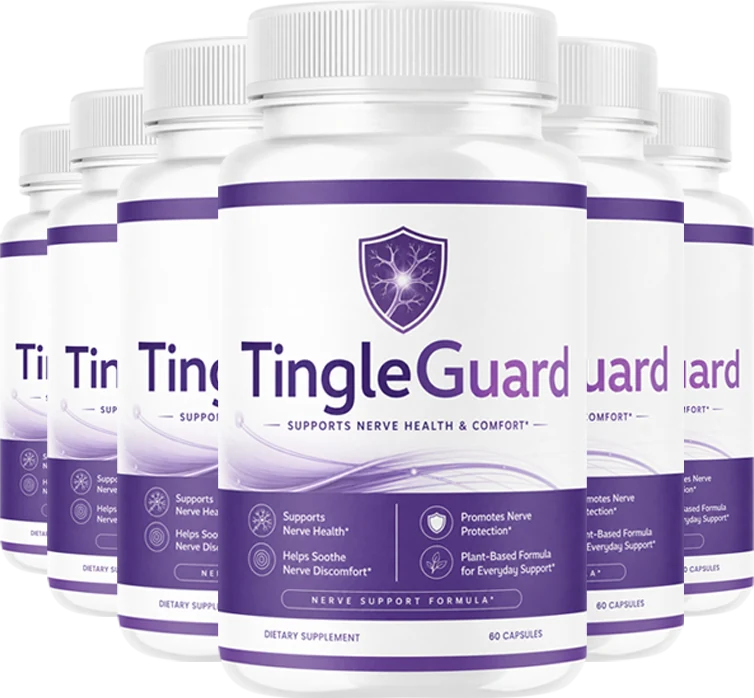
TingleGuard's five ingredients are all traditionally-used botanicals, each with a different general angle on nerve comfort and relaxation.
Understanding what each ingredient's traditional use and modern research genuinely supports helps set realistic expectations for a formula like this.
Passionflower Extract
Passiflora incarnata has a long history of traditional use for relaxation and sleep support, with some modern research examining its effect on anxiety-related symptoms. Its general profile is summarised on PubMed Central.
Corydalis Powder
Corydalis yanhusuo has a long history of use in traditional Chinese medicine for physical discomfort. Modern research has examined specific alkaloid compounds within corydalis for their connection to pain-related pathways, though clinical evidence at the level of a finished supplement formula remains limited.
California Poppy Seed
Eschscholzia californica is traditionally distinguished from opium poppy — it is not a source of morphine-related compounds and is traditionally described as promoting calm without the sedation associated with stronger botanicals.
Marshmallow Root and Prickly Pear
Both are more commonly associated with digestive and skin comfort in traditional use; their specific connection to nerve comfort is a less established, more general wellness framing compared to the other three ingredients.
Applying this to TingleGuard
These are five of the ingredients described on TingleGuard's own pages — see our full ingredients breakdown, including an important discrepancy in how many the brand actually lists in different sections of its own page.